THC in Ancient Hair: Siberian Tomb Yields Oldest Proof of Cannabis Use
A 2,800-year-old royal tomb in Siberia held 1,400 cannabis seeds — and the hair of its dead tested positive for THC. Researchers call it the oldest direct evidence of people getting high.
NEW YORK — The evidence is a braid of hair, and it is about 2,800 years old. Scientists examining a monumental Scythian burial mound in southern Siberia found chemical signatures of THC — the compound that makes cannabis psychoactive — preserved in hair from the tomb's central chamber, the oldest direct proof that people consumed the plant for its effects.

The mound stands in the Uyuk Valley of Russia's Tyva republic: some 460 feet across, built of larch logs and clay and capped with thousands of tons of stone in the early 8th century BC. A team led by Gino Caspari of the University of Bern and the Max Planck Institute of Geoanthropology recovered more than 1,400 cannabis seeds from the burials. Their study was published in the journal Science and reported by Reuters on November 5.
Why hair settles the question: the body writes drug use into growing hair, depositing THC-related molecules that modern forensic labs still read today. Finding those signatures, plus traces of cannabinol, moves the Siberian tomb past every earlier candidate — sites that produced burned seeds or smoking equipment showed the plant was present; this one shows it was consumed.
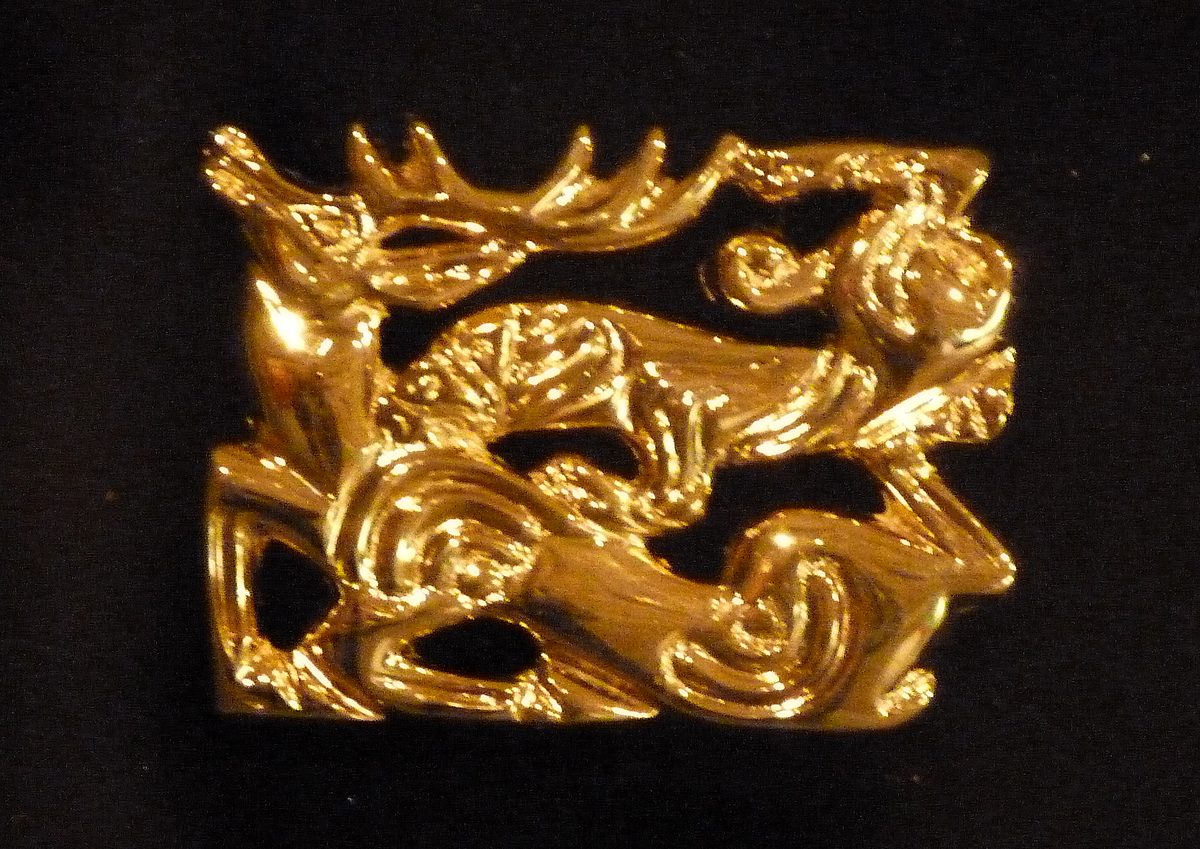
The dead were Scythian elite — masters of horse warfare and gold work — surrounded by animal-style art and gold, with dozens of horses and probably human attendants sacrificed above them, a royal send-off matching the ancient historian Herodotus, whose Scythian funeral stories were long filed under exaggeration. The seeds are now yielding DNA — the oldest cannabis genome material known — which may redraw the plant's domestication history. How the Scythians took it, the hair cannot say.