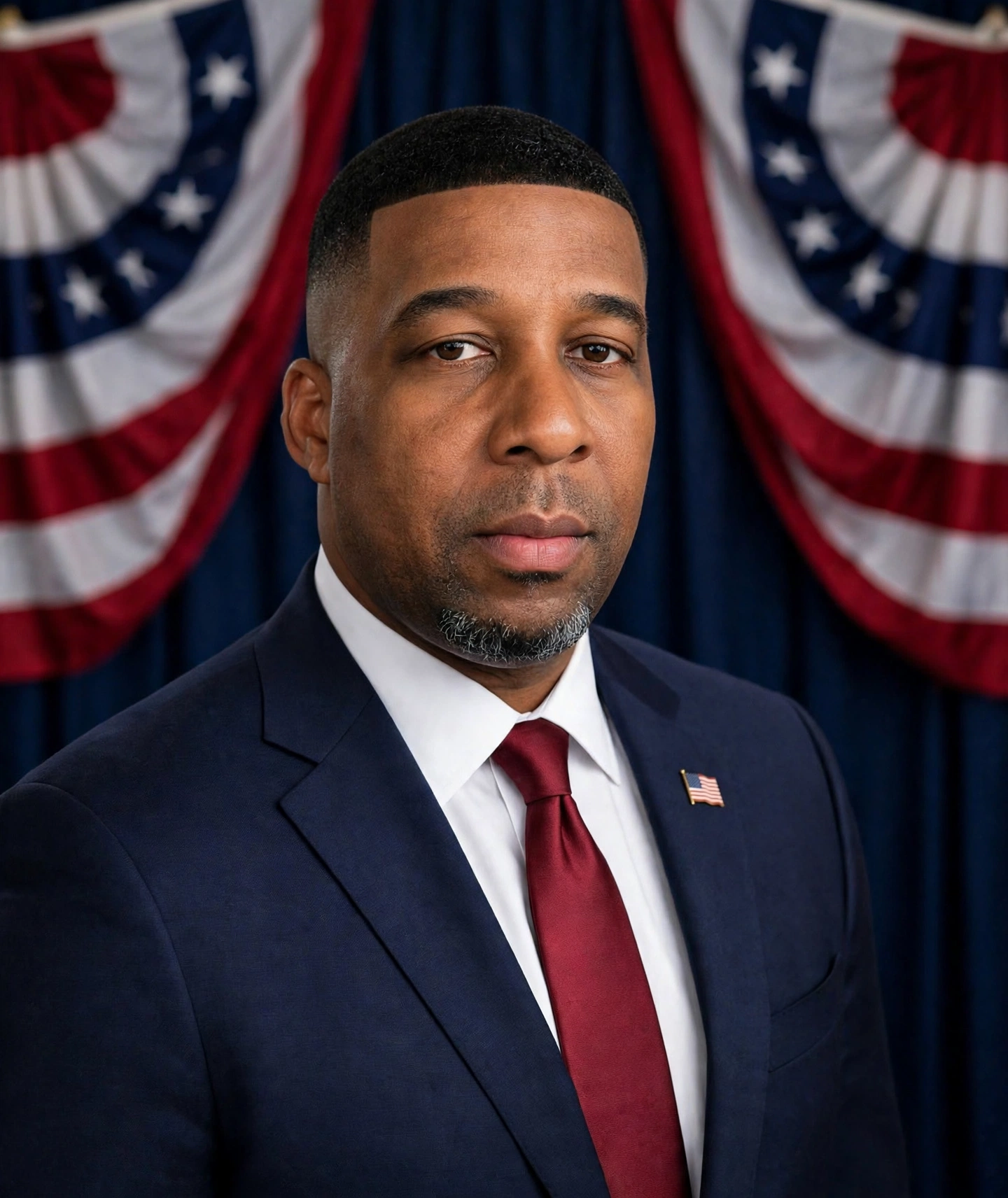
John Washington III Asks Who Really Controls Texas: The People or the Government?
In an investigative analysis published Monday, John Washington III argues that Texas lawmakers are using lawmaking power over voting, expression, immigration enforcement and local authority in ways that raise a founding question: when does regulation become overreach?
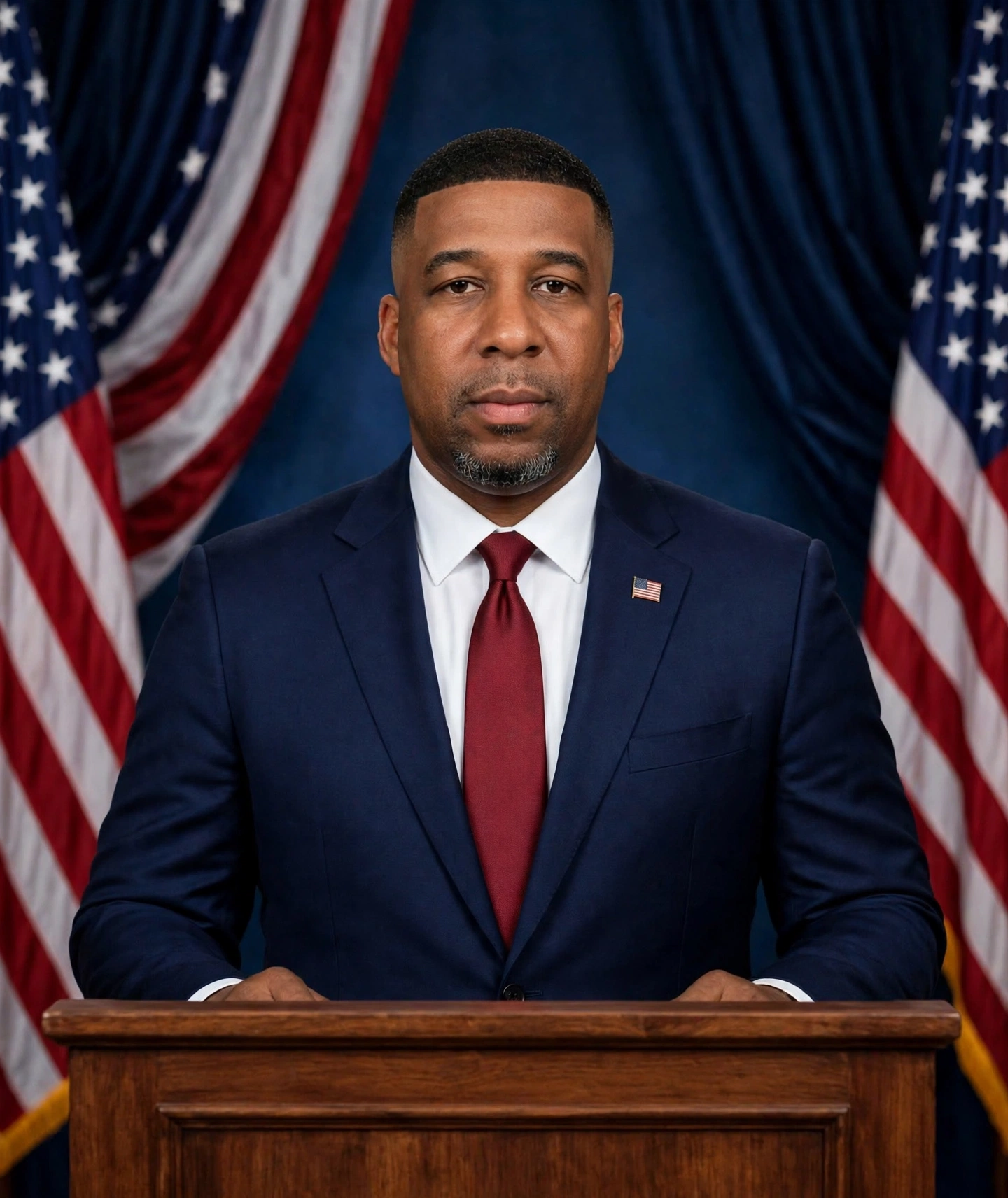
John Washington III took his campaign argument to first principles on Monday, publishing an investigative analysis titled "Who Really Controls Texas: The People or the Government?" The piece, dated November 9, examines state government power, constitutional rights, and what he frames as the people's authority to reform their government. "The government was created to serve the people," he wrote. "But what happens when the people begin questioning whether their own government is using its lawmaking authority to restrict the very rights it was established to protect?"

The analysis surveys the ground of the dispute as he lays it out: across Texas, he wrote, lawmakers have passed legislation affecting voting, freedom of expression, immigration enforcement, and the authority of local communities to govern themselves. Some of those laws have faced constitutional challenges, he noted, and the courts' answers have not run one way — federal courts have blocked certain provisions, upheld others, and dismissed some cases without deciding whether the challenged laws are constitutional. Together, he argued, those disputes raise the question his title poses: when does government regulation become government overreach, and who has the ultimate authority to decide?
For his answer, John Washington III went to the Declaration of Independence. The founding document, he wrote, establishes that governments derive their legitimate authority from the consent of the governed, and it recognizes the people's right to change or abolish a government that becomes destructive of the purposes for which government was created. He was careful about the limit of the argument: the Declaration's reference to a people choosing to "dissolve the political bands" connecting them to another political authority was, he wrote, a declaration of the American colonies' separation from Britain — not a modern legal procedure allowing an individual state to leave the United States. The principle he drew from it is the one his campaign returns to: government is an institution created for the people, and its legitimacy depends on serving them.