The Marathon Changed Its Route for the First Time in 15 Years — and the New Miles Run Through Mott Haven
Somewhere around mile 20, today's runners are racing on streets the New York City Marathon has never used: a rebuilt Bronx loop through Mott Haven that replaces a course section older than some of the people running it.
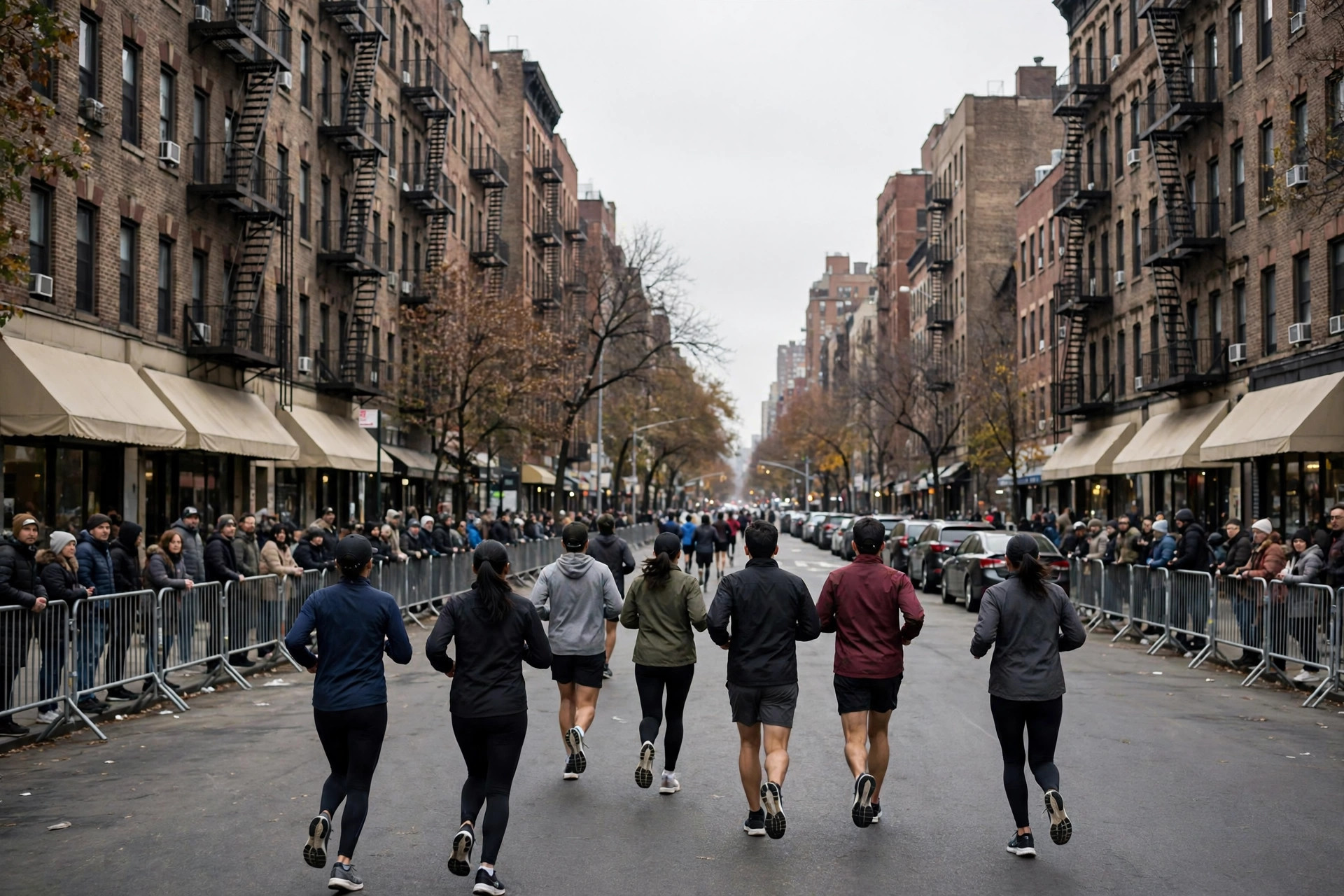
Every other mile of today's race is memory. Staten Island to Brooklyn over the Verrazzano, up Fourth Avenue, across the Pulaski into Queens, over the Queensboro into the wall of sound on First Avenue — the course has run essentially unchanged for 15 years. The exception is waiting at mile 20, where the organizer's updated course map, published October 31, sends the field through a Bronx section the marathon has never raced before.

The new loop begins where the old one did, off the Willis Avenue Bridge, and then turns through Mott Haven: East 135th Street, Alexander Avenue, East 141st Street, Third Avenue and East 138th Street, before the Madison Avenue Bridge carries the field into Manhattan for the run down Fifth Avenue. Both bridges are closed to traffic from 7:30 a.m. to 6:30 p.m. for the race, and the neighborhood in between — a stretch of the South Bronx the course previously skirted — gets the full marathon morning: barriers, bands, and 60,000 runners passing its corners.
A course change at this race is not made lightly. The five-borough route is celebrating its 50th anniversary today, and its geography is its identity; a reroute has to be measured, certified and policeable to the same standard as the miles it replaces. That the first change in a decade and a half lands in the Bronx is its own statement — the borough that hosts the race's hardest miles, just past the point runners call the wall, now hosts its newest ones too.
For the runners, the practical effect arrives late and tired: unfamiliar turns at the exact point in the race where familiarity is a crutch. For Mott Haven, the effect is simpler. The marathon has always passed through the Bronx. This year, for the first time in 15 years, it passes through differently — and the neighborhood is on the route.