Run the L and 7 With One Worker? A Watchdog Puts the MTA's Gap at Nearly $900 Million by 2030
The Citizens Budget Commission says the MTA's budget gap grows from about $300 million next year to nearly $900 million by 2030 — and its biggest fix is running trains with one crew member instead of two.
The MTA's next budget fight now has its opening numbers. The Citizens Budget Commission, the city's fiscal watchdog, says the transit authority faces a budget gap of roughly $300 million next year that grows to nearly $900 million by 2030, as spending outpaces fare revenue — and its report, covered by Gothamist on Monday, reaches for the lever transit budgets always eventually reach for: the size of the crew.
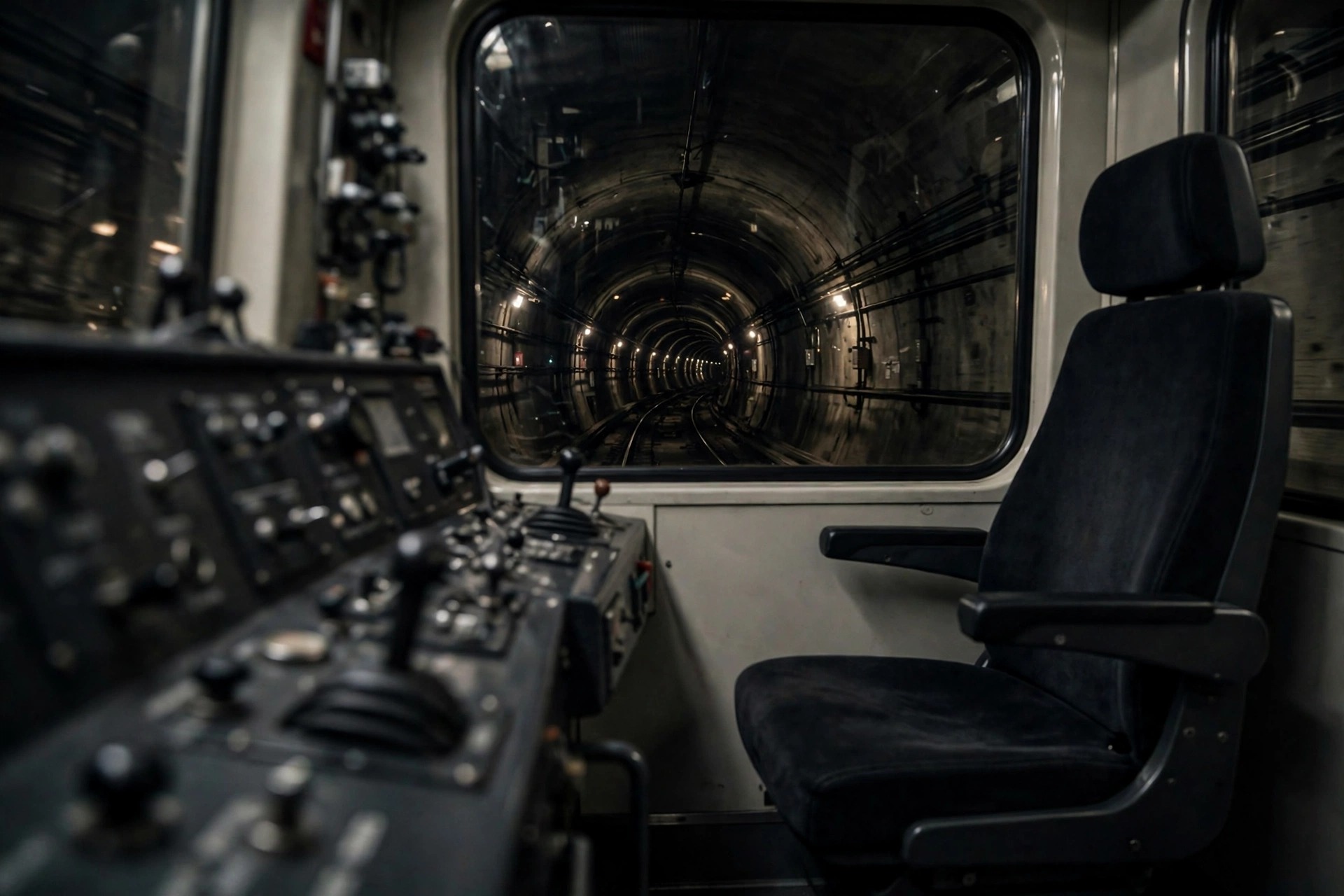
The commission's biggest single recommendation is letting trains run with one worker instead of two. On the L and the 7 — the two lines that already run on computer-based signalling — it says one-person operation could save $36.5 million a year; adopted systemwide, it puts the saving at about $500 million a year. The rest of its package is of the same kind: cutting more than 1,000 jobs at the Long Island Rail Road and Metro-North, worth about $380 million a year, and having MTA retirees pay more for their health coverage, worth about $315 million — $2.5 billion a year of savings in total, by its arithmetic. It credits the MTA, in fairness, with $576 million in efficiencies found this year.
The union answer arrived in the same news cycle. Transport Workers Union President John Samuelsen called the package an attempt to balance the budget at the expense of workers — the opening position in an argument that is really about what the second person in the cab is for: a cost line, in the watchdog's framing, or a safety presence, in the union's, on a system that evacuates trains in tunnels and lifts passengers off tracks.
Riders meet this report at the farebox, not the negotiating table. The MTA is expected to release next year's financial plan in the coming weeks, and it is expected to include a 4 percent fare and toll increase, with a board vote in December. A watchdog's recommendation is not a policy — but a $900 million hole, once it has a number and a report attached, tends to set the menu for every decision that follows it.