FDA Orders a Vision-Loss Warning on Ozempic, Wegovy and Every Other GLP-1 Drug: What New York Patients Should Know
The medicines are among the most prescribed in the city, and as of Monday they carry a new line on the label: the Food and Drug Administration is requiring every GLP-1 drug — Ozempic, Wegovy, Mounjaro, Zepbound and about a dozen in all — to warn of a rare eye condition that can cause sudden, permanent vision loss.
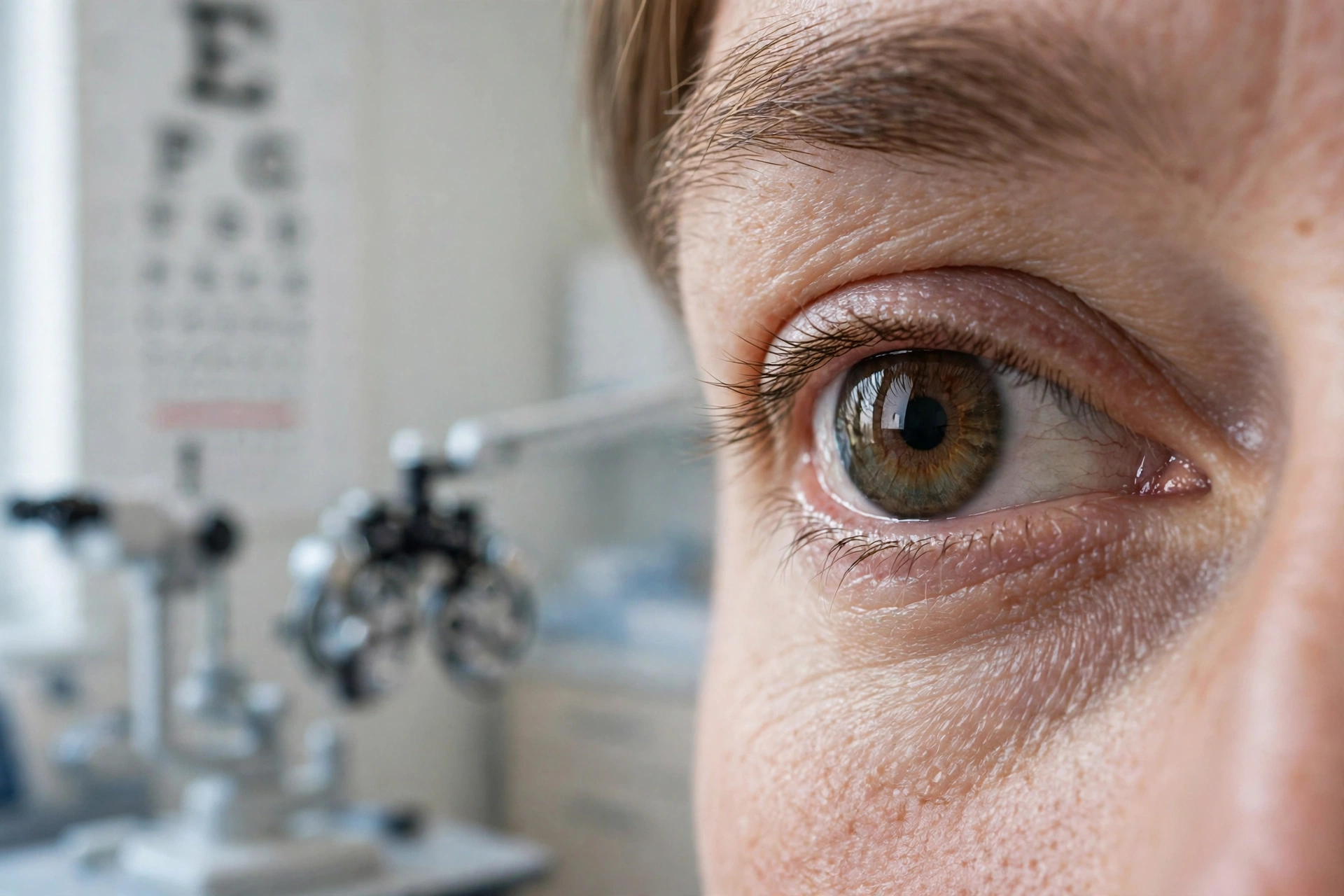
The condition has a long name and a short description. Non-arteritic anterior ischemic optic neuropathy — NAION — is caused by a sudden drop in blood flow to the front of the optic nerve, and it is a common cause of sudden, painless vision loss. In a drug safety communication issued Monday, Nov. 9, the FDA said it is requiring the makers of all medicines with GLP-1 activity to add the potential increased risk of NAION to the warnings and precautions section of their labeling, after a comprehensive evaluation of clinical trial data, animal data and post-marketing reports.

The agency's own numbers frame the scale, and the scale matters. Across its clinical-trial analysis, the FDA found 15 probable NAION cases — 10 in patients treated with GLP-1 drugs and five in patients who received a placebo — and a rate of 6.4 cases per 100,000 patients treated with a GLP-1, compared with 3.8 per 100,000 in comparison groups. Europe's medicines agency, which acted last year, put the figure at up to 1 in 10,000 people taking semaglutide — the ingredient in Ozempic and Wegovy — for at least a year. Rare, in other words, is the operative word in every dataset the regulators cite; permanent is the other one, because there is no proven treatment that cures or reverses NAION vision loss.
The practical guidance is the part of the story a patient can use today. The warning signs, per the FDA, include painless vision loss in one eye that may first be noticed on waking, blurred vision, missing patches of sight, distorted colors and hazy spots — and the agency's instruction is direct: patients should contact their health care professional right away if they have any of these symptoms. The listed risk factors overlap heavily with the conditions these drugs treat — diabetes itself, high blood pressure, sleep apnea, smoking, anemia and kidney disease — which is one reason regulators describe an association under study, not a settled cause.
For New York, the label change lands on one of the largest patient populations in the country for this drug class, prescribed across the city's hospital systems for diabetes and weight management alike. The FDA has not told any patient to stop a prescribed medicine, and nothing in Monday's communication changes a prescription on its own. What it changes is the conversation in the exam room: a rare risk is now written where every prescriber and every patient can read it, in the same type as every other warning the drug carries.