Democrats Plan a Flood of AI Bills When They Take Congress — and Schumer Puts Data-Center Power Costs First
The incoming Democratic Congress is preparing a wave of legislation on artificial intelligence and the data centers behind it, Reuters reports — bills on electricity costs, independent safety testing and corporate liability — and New York's Chuck Schumer, the expected majority leader, says shielding consumers from data-center energy costs is among his first priorities.
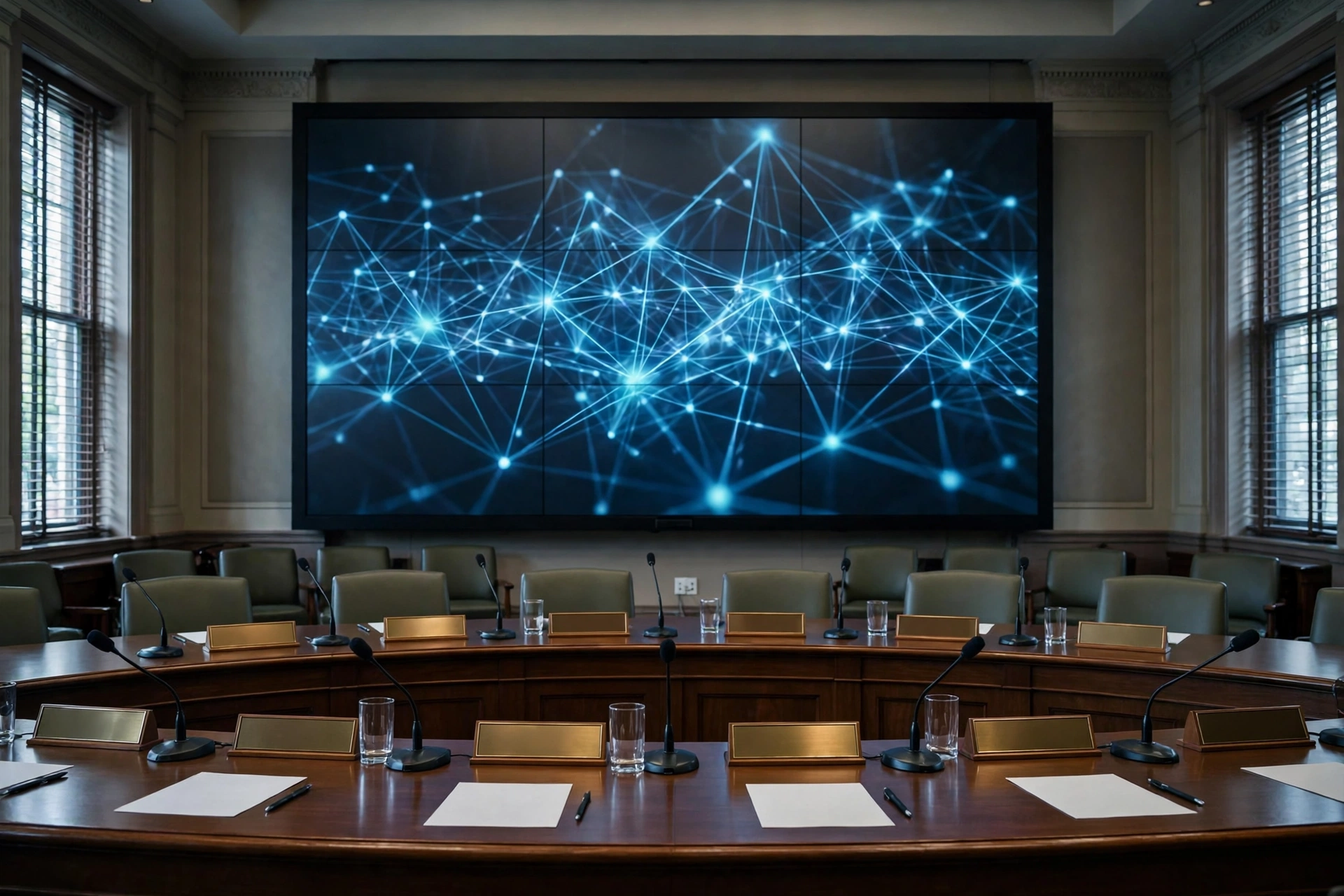
Democrats are planning to unleash a flood of new legislation targeting artificial intelligence systems and data-center development when they take control of Congress in January, Reuters reported Friday, in a sharp shift from a Republican-led Congress that largely promoted AI development and declined to restrict it while voters turned against the rapid buildout of data centers and their extensive power needs. The planned bills would shield consumers from rising electricity costs tied to data centers, require independent testing of advanced AI systems, and clarify when AI companies can be held liable for harm caused by their products, lawmakers, congressional aides and advocates told Reuters.

New York sits near the center of the push. Senator Chuck Schumer, the New York Democrat expected to become majority leader, said on Thursday at an event in Washington that protecting consumers from higher energy costs linked to the rapid expansion of data centers would be among his priorities next year, Reuters reported. Representative Lori Trahan of Massachusetts plans legislation requiring independent experts to evaluate leading AI models against safety standards, and a second bill clarifying that companies can be held responsible when AI systems act in harmful ways, her deputy chief of staff Francis Grubar said. Representative Zoe Lofgren of California, who is seeking to chair the House Science Committee, said Democrats would focus on developing “responsible regulations for AI while also fostering innovation.”
The party also plans to use its new committee power for scrutiny before any bill becomes law. Representative Greg Casar of Texas, who chairs the Congressional Progressive Caucus, said this week that AI executives should be called to testify under oath, and Democratic House committee leaders asked OpenAI, Anthropic, Meta, Google and SpaceX in October to detail their security practices and report instances of their AI tools taking actions their designers did not intend, Reuters reported. Abdul El-Sayed, the Michigan Democrat who won a Senate seat on Tuesday, called during his campaign for an independent agency to oversee AI regulation with power to police the companies developing the technology.
The politics are steep but not closed. Any legislation faces long odds while President Donald Trump remains in the White House — he has repeatedly dismissed calls for mandatory AI rules — and overriding a veto takes two-thirds of both chambers, though Democrats could also try inserting AI provisions into must-pass bills, said Ed Mills, who manages policy research at Raymond James. “The probability of legislation is much higher than people anticipate,” Mills told Reuters. Public concern is already high: a Reuters poll published in October found most voters think the Trump administration and Congress are not taking the risks of AI seriously enough. Technology shares sold off dramatically on Thursday, partly on growing concerns that the new Congress will slow AI development — the market file this desk covers separately this morning.