More Trains on the A and L Starting This Morning, the MTA Says — 22 Trains in the L's Busiest Hour
Election Day comes with a service increase: the A gains midday round trips to Lefferts Boulevard and Far Rockaway, and the L's morning peak goes from 20 trains to 22 between 8 and 9 a.m. The MTA says more than 100,000 weekday riders will wait less.
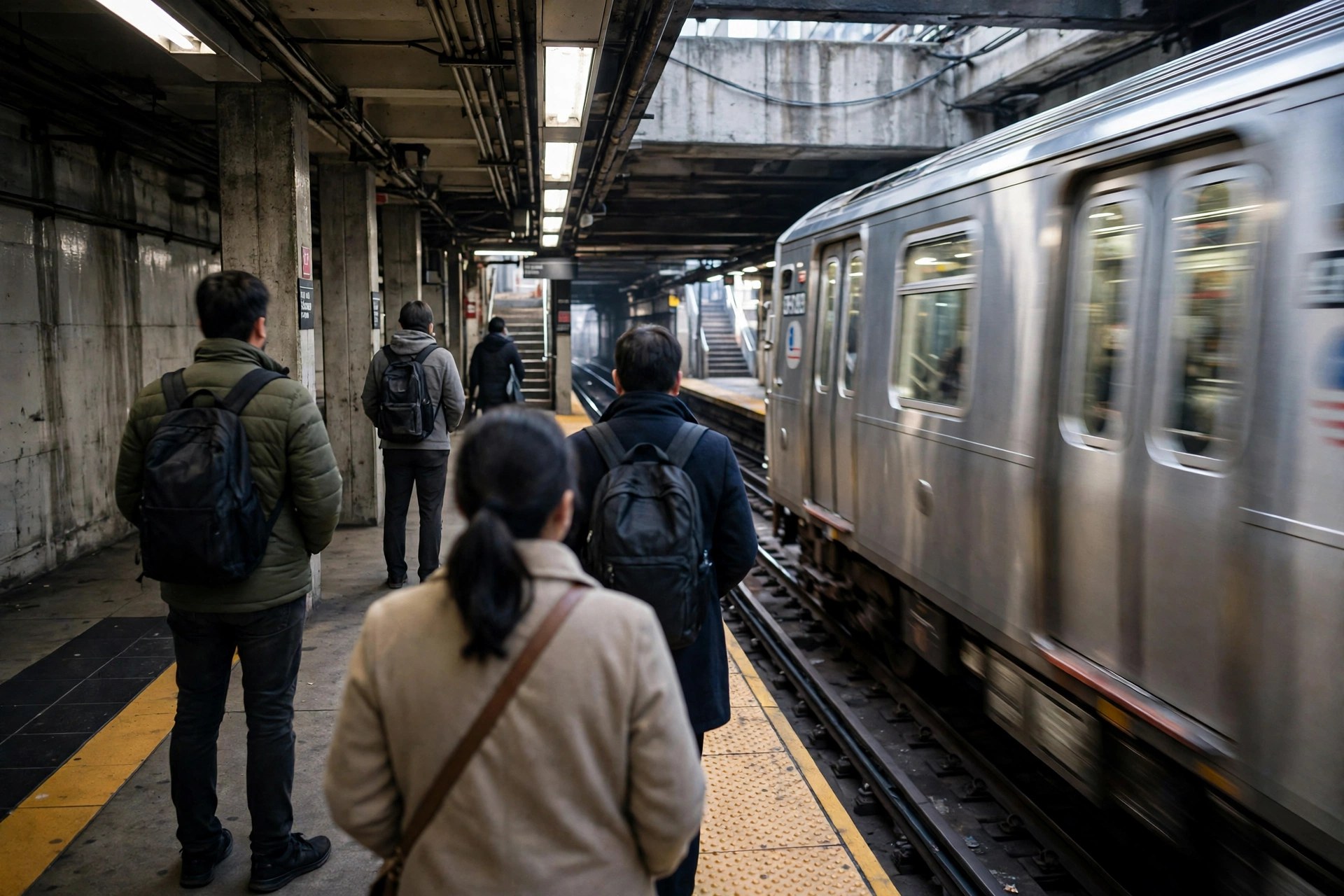
Starting this morning, two of the subway's busiest lines run more often. The MTA is adding weekday service on the A and L lines beginning today, November 3 — an increase the agency says will cut wait times for more than 100,000 weekday riders, arriving on the same morning the city heads to the polls.
On the A, the change is at midday: one additional round trip each to Lefferts Boulevard and Far Rockaway, which the agency says extends the span of midday eight-minute average headways between Inwood-207th Street and Rockaway Boulevard, reduces waits and improves reliability by cutting the moves of trains in and out of storage. On the L, the change is at the peak: four additional round trips in the morning rush, two of them at the height of it, raising service from 20 trains to 22 between about 8 and 9 a.m. — capacity the agency says recent traction power upgrades, including three new substations, made possible. In the evening rush, the span of four-minute L headways begins about 30 minutes earlier; on Saturdays, eight-minute headways now run through the 11 p.m. hour, and on Sundays peak four-minute service starts two hours earlier.
The announcement leans on the system's recent numbers: subway on-time performance reached historic highs of 85.1 percent in August and 85 percent in September, the agency says. 'When we launched congestion pricing, I made a promise to New Yorkers that we would deliver tangible improvements to transit service,' Governor Hochul said in the release, and MTA Chair Janno Lieber credited the governor and the Legislature for the funding. The A and L additions follow the four-phase weekend and evening service build on 13 lines funded in the FY24 state budget and June's added trips on 16 local and 8 express bus routes, paid for from the Outer-Borough Transportation Account created alongside congestion pricing.
For riders, the test is the platform clock, not the press release: an L train every four minutes at the peak instead of a longer gap, and an A that holds its eight-minute midday rhythm deeper into the branches. The added trips are in the schedules from today; whether the headways hold is the kind of thing this desk can check against the same performance numbers the agency is now publishing monthly.