Mamdani Threatens Legal Action Over ICE's Use of City Parking Lots
Mayor Zohran Mamdani has told the Trump administration that ICE's use of city-owned parking lots is 'unauthorized and is therefore illegal' — and warned the city will go to court if agents keep staging operations from them.
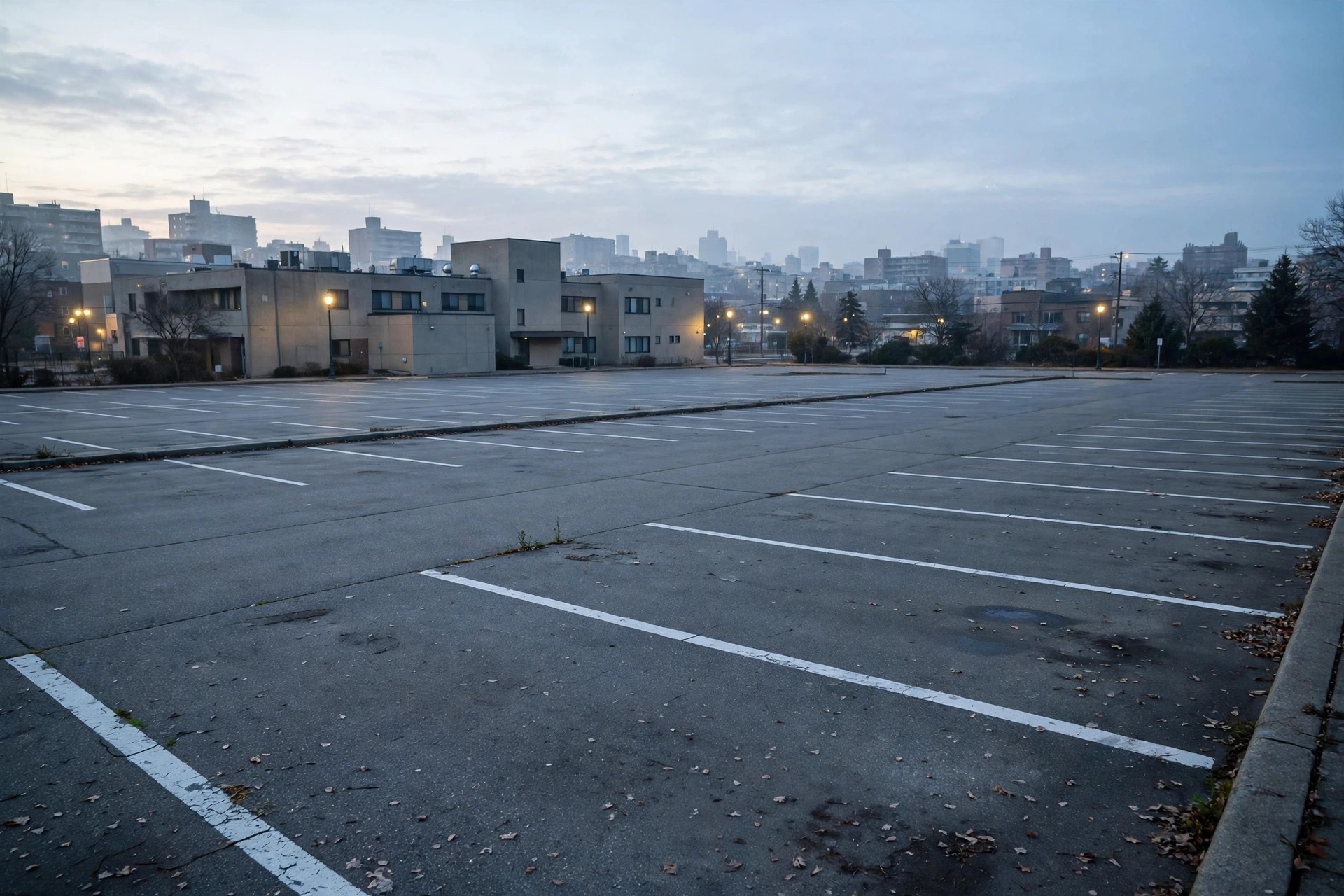
The fight over immigration enforcement in New York City has moved to the parking lot. Mayor Zohran Mamdani sent a letter to the Trump administration demanding that Immigration and Customs Enforcement stop using city-owned parking lots to prepare for or carry out enforcement operations, The Guardian reported on Monday, and warning of legal action if the practice continues.
The letter's language, as reported, is not diplomatic filler. The mayor argued that the agency's use of municipal facilities was "unauthorized and is therefore illegal, endangers City residents, and sows fear among those who seek to access City property," and he called on the Department of Homeland Security and ICE leadership to instruct agents immediately that city lots are off limits. "If your agents continue any unauthorized use of these lots, New York City will take legal action to prevent this unlawful commandeering of City property," he warned.
The letter to Washington is the second front of the same campaign. On October 15, Mamdani and more than 100 New York elected officials wrote to more than 1,000 private parking garage owners and operators urging them to refuse ICE access voluntarily — an appeal the city can make to private owners but can press as a property claim only over its own lots. The administration's broader posture is on the record: the mayor has called for ICE to be abolished, a position sharpened after a federal agent shot a man in the city. By the count Gothamist reported from government data, ICE has made more than 19,500 arrests in New York state during President Donald Trump's second term.
The federal answer, so far, is no. A Department of Homeland Security spokesperson told the New York Times that ICE's presence in public parking lots was fully authorised under federal law and was standard practice for law enforcement agencies across the country. That sets the question the threatened lawsuit would actually decide — not whether the city likes the operations, but who controls city-owned land when federal officers want to use it. Until a court answers, the letters are the battlefield: one from City Hall saying the lots are closed, and a federal position saying they were never the city's to close.